Reservation Culture vs. Walk-In Culture in Japan
Two systems exist side by side in Japanese dining, and knowing which one you're standing in front of changes everything
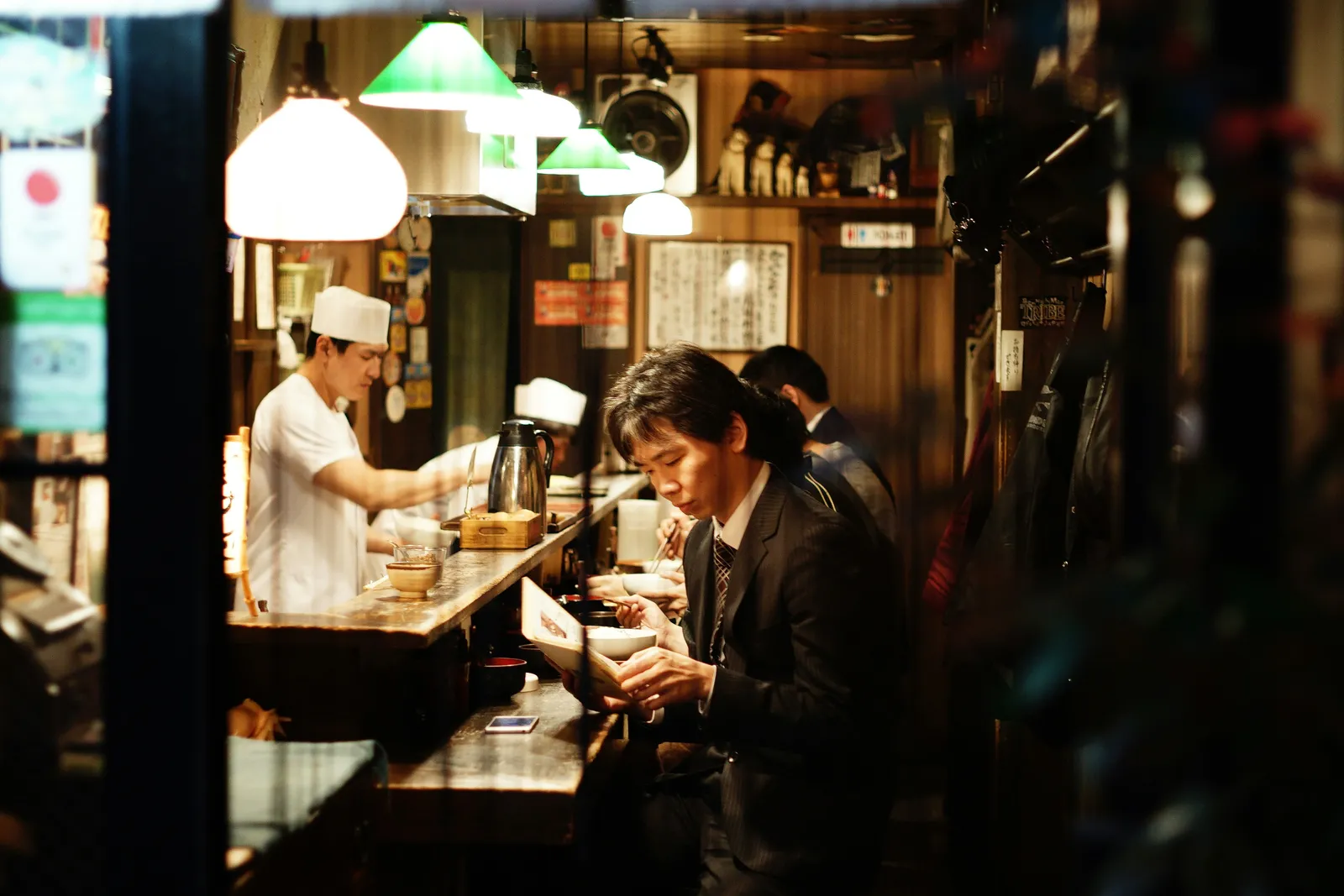
After enough meals in Japan, a pattern starts to emerge. Some restaurants treat a reservation as the entire point, a months-ahead phone call, a deposit, a strict no-show policy. Others have never taken a reservation in their existence and never will. There's rarely a sign distinguishing the two. You just have to know.
This isn't a contradiction in Japanese dining culture. It's two genuinely different systems that happen to share a country, sometimes a city block, and visitors tend to assume one set of rules applies everywhere when really it depends entirely on what kind of restaurant is in front of them.
What reservation culture looks like
Reservation-first restaurants tend to share a profile. Longer meals, higher price points, a kitchen built around courses rather than single dishes, and often a chef who needs lead time to source ingredients for a specific number of guests. Kaiseki restaurants, high-end sukiyaki and shabu-shabu spots, yakitori counters that source rare cuts in advance, the kind of unagi restaurant that needs to know your arrival time to start preparing the eel. These restaurants aren't being precious. The format genuinely requires advance notice, and many of them are calibrating exactly how much fish, meat, or rare vegetable to buy based on who's confirmed.
This is most of what previous posts in this series have covered, restaurants where the entire obstacle is getting a phone call through, in Japanese, far enough in advance.
What walk-in culture looks like
The other system runs on volume and immediacy. Ramen shops, standing soba counters, most yakitori-ya, the bulk of izakaya, yatai stalls, basically anywhere built around a fast turnover and a limited number of seats. These restaurants gain nothing from a reservation system. Holding a table for someone who might arrive in forty minutes costs them paying customers right now. The entire business model assumes a line forms and moves.
This is where questions like whether the broth is still available, or how long the wait is right now, become the only ones that matter, because there's no booking step to skip ahead of.
The mistake is applying one mindset to the other
Most of the friction visitors run into comes from misreading which system they're standing in front of. Showing up at a reservation-only kaiseki restaurant and expecting a table because you're willing to wait doesn't work, no amount of standing around changes a kitchen that bought ingredients for a confirmed eight people. Calling a twelve-seat ramen counter to book a table for Thursday gets you a confused response, because the concept doesn't exist there.
Once you can tell which category a restaurant falls into, before you've made the trip, the right move becomes obvious. Reservation culture means you need a phone call placed well in advance. Walk-in culture means you need current information. Is it open, is it busy, is it worth the trip right now.
Two different needs, one common problem
Both systems share the same underlying obstacle for anyone who doesn't speak Japanese. Whether you need to book three weeks out or check the line five minutes from now, the answer lives behind a phone call in a language you might not speak.
That's the gap this entire series has been pointing at from different angles. Rapym handles both sides of it. Calling ahead to book a table at the restaurants that take reservations, and calling to check real-time availability at the ones that don't. Knowing which kind of restaurant you're dealing with is the first step. Getting someone to make the right call, literally, is the second.
Rapym can book a table or check real-time availability in Japan on your behalf, by phone, in Japanese. Try it here
Also in this series: The Tokyo Ramen Lines Nobody Warns You About The Michelin Bib Gourmand Restaurants That Won't Take Your Reservation What to Do When Your Japan Plans Fall Apart Mid-Trip How Fukuoka's Yatai Stalls Actually Work The Line I Didn't Make It's 3am in Tokyo and You're Wide Awake and Hungry. Now What. Why Tokyo's best restaurants only take phone calls