The Tokyo Ramen Lines Nobody Warns You About
Why some of Tokyo's best ramen shops don't take reservations, and how to know before you stand in line
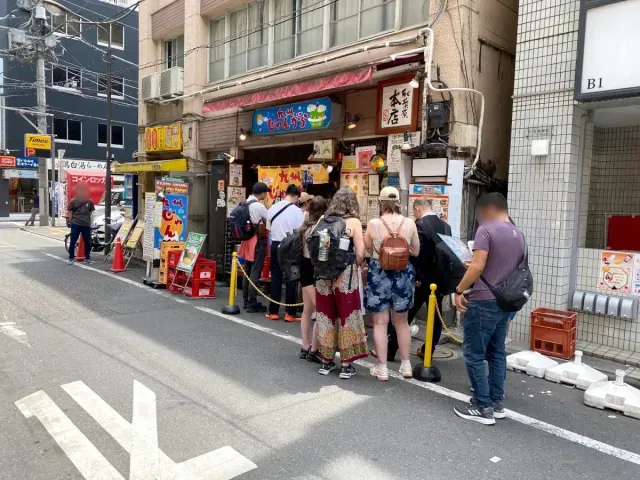
You've seen the photos. A line of people standing outside a narrow shopfront in Tokyo, sometimes in the rain, sometimes before the sun is up, waiting for a bowl of ramen that costs less than a coffee back home. It looks almost performative from the outside. It isn't. It's just how the best ramen shops in Tokyo have always worked.
Here's the part that surprises most visitors. These restaurants don't take reservations. Not because they're trying to be exclusive, but because the entire business model runs on volume and turnover. A ramen shop with twelve counter seats and a fifteen-minute average meal time doesn't gain anything from a reservation system. It gains from getting people in, fed, and out, as fast as the broth allows.
That's a different problem than everything else in this series. Up to now, the question has been how to get a phone call through to book a table in advance. With ramen, the question flips: there's no booking to make. The only information that matters is what's happening right now, at that specific counter, at that specific moment.
Why the line exists in the first place
Most legendary Tokyo ramen shops share a few traits. They're small, often under twenty seats. They're run by one or two people who actually make the broth themselves, which caps how many bowls they can serve in a day. And they tend to be open for limited hours, sometimes just lunch, sometimes closing the moment the day's broth runs out.
Put those three things together and a line is almost inevitable for anywhere with a reputation. Japanese Soba Noodles Tsuta, the first ramen shop in the world to receive a Michelin star, now operates from Yoyogi-Uehara and still draws a steady line, even after losing the star in 2020. Afuri's flagship locations see steady lines through lunch. Many of the most-searched shops in Shinjuku and Shibuya, the kind that show up in every "best ramen in Tokyo" list, run the same way.
The shops themselves know this. Most don't try to fix it, because the line is, in a strange way, part of what makes the experience feel earned.
What actually varies, and what you can check
Here's what most guides leave out. The line isn't constant. It moves in predictable patterns, and a few minutes of awareness can save you an hour of standing.
Weekday lunch, especially right at noon, is almost always the worst time. Office workers on a fixed lunch break create the sharpest spike of the day. Arriving at 11:15, before the shop even opens, often beats arriving at 12:30 by a wide margin.
Weeknight dinner after 8pm tends to thin out considerably at most shops, since the after-work crowd has usually moved through by then.
Weather matters more than people expect. A line in steady rain shrinks fast, because waiting outside in the rain is a different kind of commitment than waiting on a clear afternoon.
And the single biggest variable is whether the shop has run out of broth for the day. Many of Tokyo's best ramen shops make a finite batch each morning and simply close when it's gone, sometimes hours before their posted closing time. Showing up at 7pm to a shop that sold out at 2pm is the single most avoidable disappointment in Tokyo ramen.
The move most visitors don't think to make
None of this information is posted anywhere reliable in English. Tabelog reviews sometimes mention sellout times anecdotally, but there's no real-time way to check from outside Japan, or even from across town, whether a specific shop still has broth left and how long the line is right now.
The shop itself knows the answer. Someone is standing behind the counter who could tell you in ten seconds if you called and asked, in Japanese, whether they're still serving and how long the wait looks.
That's the gap Rapym's "Can I Go?" feature is built for. Instead of calling to book a table, you're calling to ask a faster question: is it worth walking over right now? Rapym makes that call in natural Japanese, asks about current wait times and availability, and reports back before you've committed to standing in line.
It won't get you to the front of the queue. What it does is save you from making a twenty-minute walk to a shop that sold out an hour ago, or from joining a ninety-minute line on a day when the same shop is nearly empty an hour later.
Rapym can check restaurant availability and wait times in Japan on your behalf, by phone, in Japanese. Try it here
Also in this series: Why Tokyo's best restaurants only take phone calls Every Way to Book a Phone-Only Restaurant in Japan, Honestly Reviewed