The Real Reason You Can't Book That Restaurant in Japan
How to make restaurant reservations in Japan without speaking Japanese
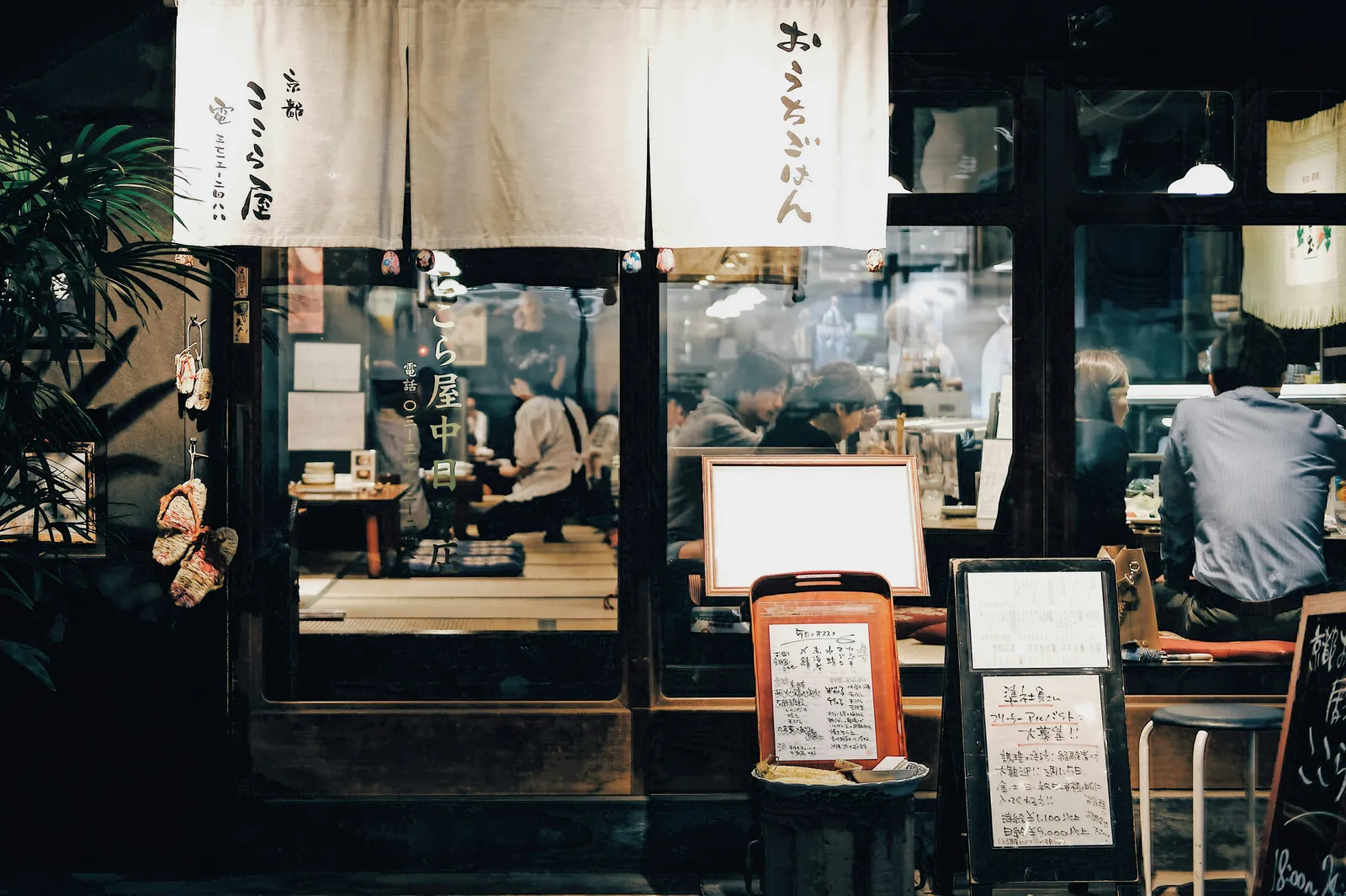
You did everything right.
You spent weeks researching. You found the place. Twelve seats, a side street in Shinjuku, a three-month waitlist according to some Reddit thread from 2023. You opened Tabelog. You opened Pocket Concierge. You opened every tab.
Nothing.
The restaurant doesn't take online reservations. It never has.
This is the part nobody warns you about before a trip to Japan. The food is extraordinary. The reservation system is not built for you.
Why the Best Restaurants Only Take Phone Calls
Japan has more Michelin-starred restaurants than any other country in the world. It also has some of the most reservation-unfriendly dining culture for foreign visitors.
The reason is simple: most of the best restaurants are tiny. Eight seats. Twelve seats. A counter where the chef can see every guest. At that scale, one no-show ruins the night, so restaurants filter by phone, in Japanese. It's not an oversight. It's a system that's worked for decades, and they have no reason to change it.
The result is a clear divide. Some restaurants are easy to book. Others aren't. The ones that aren't are usually the ones most worth going to.
Start Here: Online Platforms That Actually Work
The good news is that a large number of restaurants, including genuinely excellent ones, are bookable online, in English, before you leave home.
Tabelog is Japan's version of Yelp, and it's the first place to check. The restaurant coverage is comprehensive, and many listings now include online reservation options. English support exists, though individual restaurant pages can still be in Japanese only.
TableCheck is cleaner for international visitors. English-language interface, good coverage in major cities, and many restaurants list their full menus on the platform so you can browse before booking.
Pocket Concierge specializes in higher-end dining, omakase counters, kaiseki, the kinds of places that require real advance planning. Bookings often require prepayment, which is actually a feature: it means the restaurant takes your reservation seriously, and so should you.
OpenTable covers Japan too, though less comprehensively than local platforms. If you already use it and find the restaurant you want, it works fine.
For most trips, starting with these platforms will get you pretty far. Book what you can here, then figure out what's left.
The Restaurants You Can't Book Online
A significant number of Japan's best restaurants are listed on Tabelog or Google Maps, but still do not accept online reservations. They have a phone number. That's it.
These tend to be the places that end up on every list. Kawataro in Nakasu, Fukuoka, a seafood institution open since 1961, famous for its live squid sashimi. It has a Tabelog listing. It does not have an online reservation option. The only way in is a phone call.
For these restaurants, the only option is a phone call. In Japanese.
If you have a Japanese-speaking friend, now is the time to ask for a favor. If you're staying at a good hotel, the concierge can sometimes help, though this works best for well-known restaurants they already have relationships with, and you'll need to ask weeks in advance. Both options depend on someone else's availability and connections, which isn't always reliable. If you want a full breakdown of every option available, including how they compare on cost, speed, and reliability, we've put it all together in this guide.
Rapym takes a different approach. You provide the restaurant name, phone number, date, party size, and any relevant details. Rapym calls the restaurant directly in Japanese, handles the full conversation, and confirms the reservation in your name. The restaurant receives a normal phone call. You get a confirmation without speaking a word of Japanese, without waiting on anyone else's schedule.
A Few Things Worth Knowing Before You Go
Book earlier than you think you need to. Top sushi restaurants in Tokyo fill two to three months out, and kaiseki in Kyoto during cherry blossom season fills even faster. If there's a restaurant you genuinely don't want to miss, it should be the first thing you sort out, not something you figure out when you land.
Lunch is worth considering. Many restaurants that are impossible to book for dinner have availability at lunch. The food is often identical and the price is sometimes lower.
Show up on time, a few minutes early if possible. At high-end restaurants, the kitchen begins preparation based on when guests are expected to arrive. Being late doesn't just inconvenience the staff, it can actually affect the quality of what ends up on the plate.
Cancel if your plans change. No-shows have become a real problem in Japan, particularly from international visitors. Restaurants are small operations, and an empty seat at a twelve-seat counter is real money. If something comes up, cancel as early as you can. Twenty-four hours minimum, more if possible.
Carry cash. Many of the restaurants we're talking about are also cash-only. Worth knowing before you arrive and find out the hard way.
One Last Thing
The phone-only reservation system feels like a barrier until you're on the other side of it. Get past it, and you're eating at places most visitors never find, sitting at a counter, watching a chef work, in a restaurant that has no interest in being discovered by anyone who isn't willing to make the call.
That's the point. And honestly, it's part of what makes it worth it.
Rapym makes restaurant reservations in Japan on your behalf, in Japanese, by phone, for any restaurant. Try it here