Eating in Japan in Summer: The Heat, the Festivals, and What to Order
Summer in Japan runs hotter than most visitors expect, and the food culture responds to it in ways worth knowing before you go
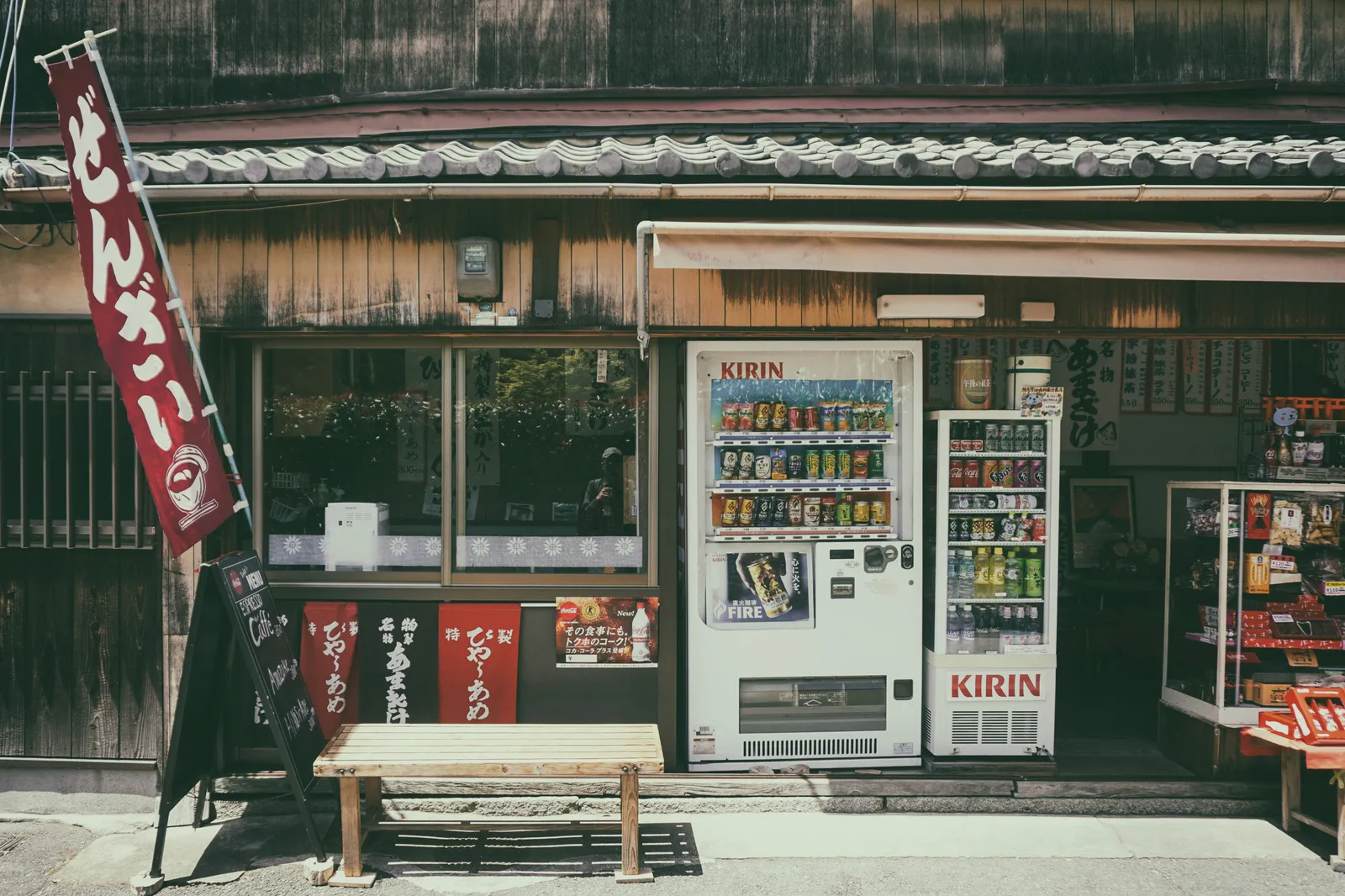
Japan in summer, roughly June through August, is a different country from the one most travel photos show. The rainy season arrives in June, blanketing most of the main islands in humidity and intermittent downpours for several weeks before giving way to genuine heat in July and August. Temperatures in Tokyo regularly exceed 35 degrees Celsius. In Kyoto, which sits in a basin that traps heat, it gets hotter still.
None of this makes summer a bad time to visit. The food culture in particular has adapted to the season in ways that are genuinely interesting, and some of Japan's most distinctive eating experiences are only available in summer.
What the season does to restaurant availability
Summer is Japan's second-busiest travel season after spring, driven partly by foreign visitors and partly by domestic travel during the school holiday period in late July and August. Obon, the mid-August period when Japanese families traditionally return to their hometowns, is worth knowing about. Many restaurants in major cities close for several days around Obon, sometimes a week or more, while restaurants in rural areas and smaller cities may actually be busier than usual.
Advance booking matters more in summer than it does in autumn or winter, though less than during cherry blossom season. For July and August travel, booking two to three weeks ahead for the restaurants that matter is a reasonable baseline.
What's worth eating in summer
Cold noodles are the defining summer food. Hiyashi chuka, chilled ramen topped with vegetables and sesame or soy dressing, appears on menus across Japan only during the warmer months. Zaru soba, cold buckwheat noodles served with a dipping broth, is available year-round but tastes most appropriate in summer. Many restaurants that serve hot noodles the rest of the year add cold versions to the menu specifically for the season.
Unagi is traditional summer eating in Japan, specifically around Doyo no Ushi no Hi, a midsummer day on the traditional calendar when eating eel is believed to provide stamina for the heat. The specific date shifts each year but typically falls in late July. In the weeks surrounding it, unagi restaurants see their highest demand of the year, and booking ahead matters more than usual.
Cold sweets are worth paying attention to. Kakigori, shaved ice with flavored syrups, has been elevated in recent years from a simple summer treat to something closer to a serious dessert, with artisan shops in Tokyo and Kyoto producing versions with carefully sourced ingredients and house-made syrups. Lines at the most popular spots form quickly and move slowly, which makes checking availability before the trip a practical move.
Beer gardens open on rooftops and in department store terraces across major cities from June through August, offering casual outdoor dining in a format that doesn't exist the rest of the year. No reservations required at most of them, which is part of the appeal.
The festival circuit
Summer in Japan is matsuri season. Local festivals happen on almost every weekend in July and August, and the food stalls that surround them, yakitori, takoyaki, yakisoba, kakigori, shaved ice of every description, are one of the most enjoyable ways to eat in Japan. No planning required. Find a festival, follow the smell.
For the restaurants that require advance booking, the process is the same as any other time of year. A phone call in Japanese is still the only way into most places worth reserving, and summer demand makes that call worth placing earlier rather than later.
Rapym makes restaurant reservations in Japan on your behalf, in Japanese, by phone. Try it here
Also in this series: Eating in Japan in Spring: What Changes and What to Know Before You Go Why Tokyo's best restaurants only take phone calls How Far in Advance Do You Actually Need to Book a Restaurant in Japan