Eating in Japan in Spring: What Changes and What to Know Before You Go
Cherry blossom season is Japan's most crowded travel window, and the restaurant situation reflects that
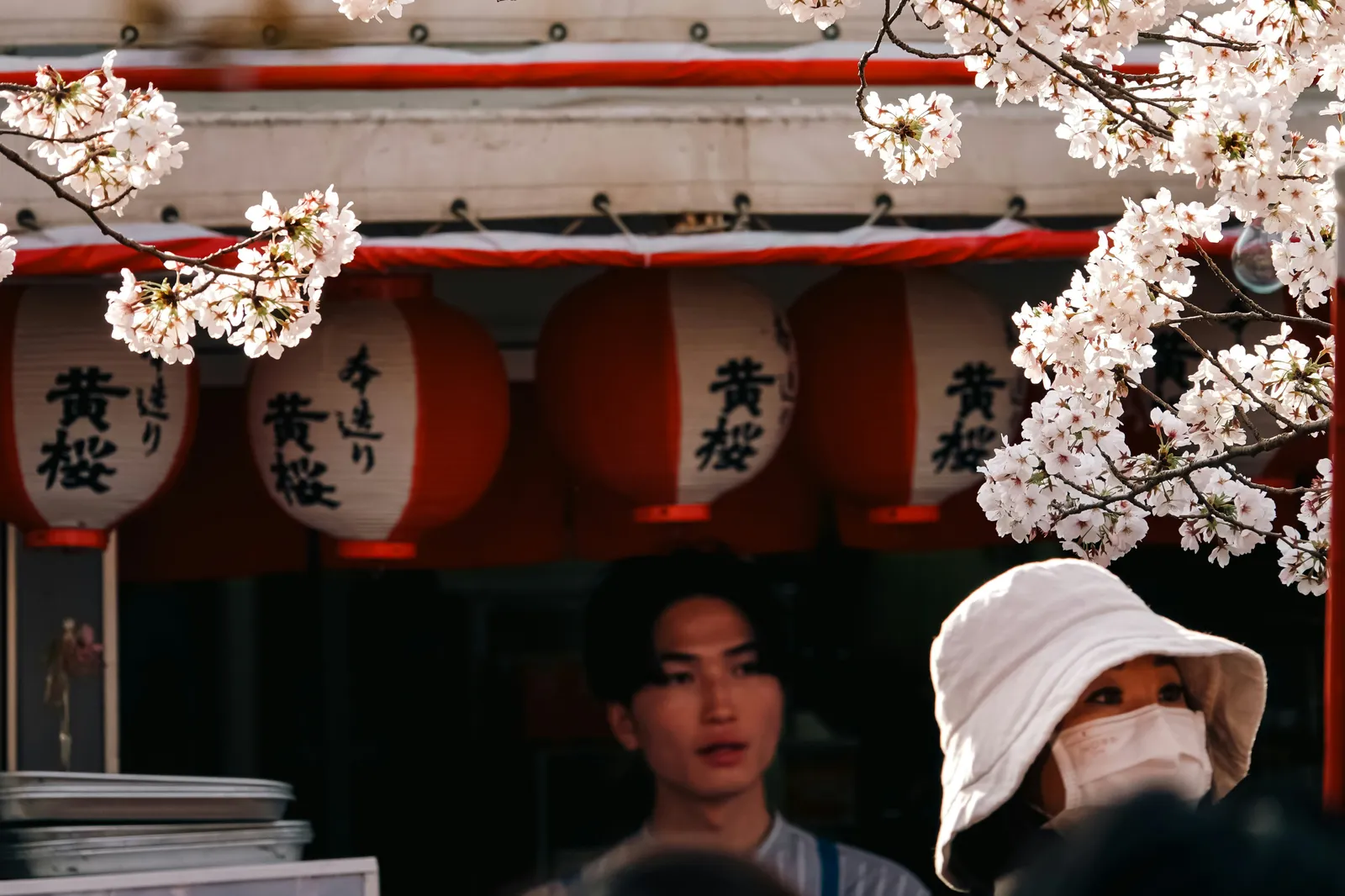
Spring in Japan, roughly late March through early May, is the most popular time to visit by a significant margin. The cherry blossoms draw visitors from every part of the world for a window that lasts only a week or two in any given city before the petals fall and the trees go green. What most of those visitors don't account for is what the same season does to restaurant availability.
What actually changes in spring
The short answer is that everything gets harder, and it gets harder fast.
Restaurants in popular cherry blossom viewing areas, parks with famous trees, riverside walkways, temple grounds, see demand spike in a way that's difficult to overstate. A neighborhood izakaya that had tables available on a Tuesday in February may be fully booked three weeks out by the time late March arrives. Hotels fill first, then restaurants follow.
The effect isn't limited to tourist-facing spots. Japanese people also travel extensively during cherry blossom season, and the domestic tourism surge compounds the foreign visitor traffic in ways that aren't visible from outside the country until you're trying to book something.
Golden Week, the cluster of public holidays that runs from late April into early May, is a separate peak within the peak. Japan essentially shuts down for domestic travel during this window, and many restaurants in major cities either close for part of it or are fully booked by regulars weeks in advance.
What to book before you leave home
For spring travel, the calculus on advance booking shifts significantly. Restaurants that are normally bookable a week or two out may need four to six weeks of lead time for cherry blossom peak dates. The window to call is earlier than most visitors realize, often before you've finished planning the rest of the trip.
Restaurants near viewing spots in Kyoto, Shinjuku Gyoen, Ueno, and along the Meguro River in Tokyo are the most affected. If you have a specific meal in mind at a specific restaurant during peak blossom week, booking two months ahead is not excessive.
What stays available
Casual spots, chains, and standing bars are less affected than sit-down restaurants. The demand spike hits table-service restaurants hardest, especially those with fixed course menus that can't turn tables quickly. Ramen shops, standing soba counters, and convenience stores operate at their normal pace regardless of the season.
Lunch is also more accessible than dinner across the board during peak season. Many restaurants that are fully booked for dinner weeks out have lunch availability much closer to the date. If a specific restaurant matters to you and the dinner reservation isn't coming together, calling to check lunch is worth doing.
The hanami picnic situation
A meaningful part of spring dining in Japan happens outdoors, under trees, with food from convenience stores, supermarket bentos, or dedicated picnic spots near the parks. This isn't a compromise. Hanami, the practice of gathering under cherry trees to eat and drink with company, is one of the most distinctly Japanese food experiences available, and the food from a good konbini spread under a flowering tree is genuinely enjoyable in its own right.
For the sit-down meals that matter most, book early and book by phone. Most of the restaurants worth reserving during cherry blossom season take bookings the same way they always have, by a phone call in Japanese. Spring doesn't change the booking process, it just compresses the available time to do it.
Rapym makes restaurant reservations in Japan on your behalf, in Japanese, by phone. Book early for spring travel. Try it here
Also in this series: Why Tokyo's best restaurants only take phone calls How Far in Advance Do You Actually Need to Book a Restaurant in Japan