The Difference Between a Michelin Star and a High Tabelog Score, and Why It Matters for How You Plan
Two rating systems, two different things, and knowing which one to trust for which purpose changes how you eat in Japan
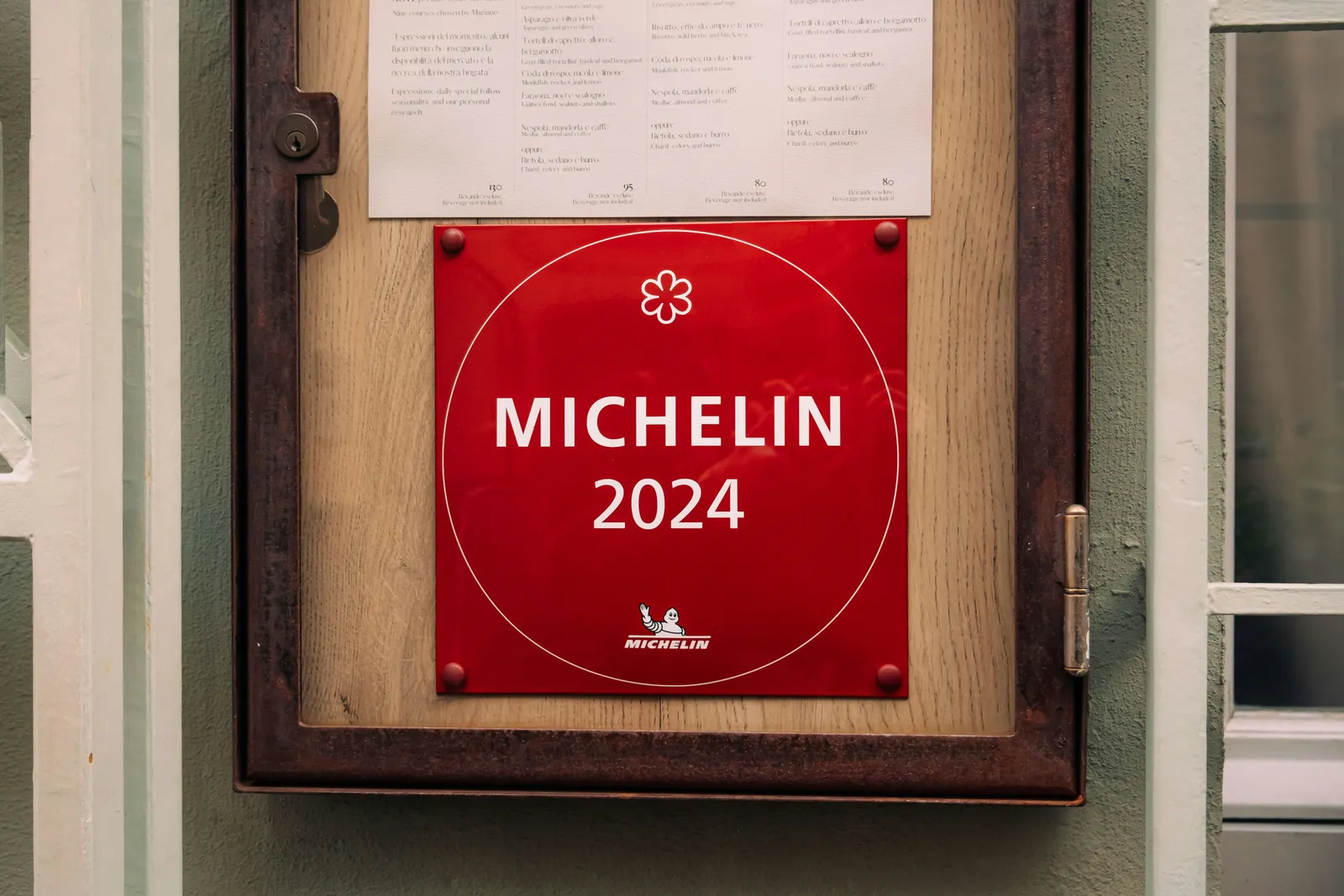
If you're planning a serious food trip to Japan, you'll run into two names repeatedly. Michelin, the French tire company that has published restaurant guides since 1900 and now operates in Tokyo, Kyoto, Osaka, and a handful of other Japanese cities. And Tabelog, a Japanese review platform that launched in 2005 and has become the dominant way Japanese diners find and evaluate restaurants.
Both matter. They measure different things, and treating them as equivalent leads to some predictable planning mistakes.
What Michelin measures
Michelin stars are awarded by anonymous inspectors, professionals who eat at restaurants multiple times before making a judgment. The criteria are consistent across every city the guide operates in. Quality of ingredients, mastery of technique, personality of the chef expressed in the cooking, consistency across visits, and value relative to the category.
What Michelin doesn't measure is how well a restaurant fits into its neighborhood, whether the experience feels authentic to Japanese dining culture rather than calibrated for international recognition, or whether the booking process is accessible to anyone outside Japan. A restaurant can earn a Michelin star and be essentially unreachable for a visitor who doesn't speak Japanese, doesn't have a connection in the city, and is arriving without months of advance planning.
The Bib Gourmand designation, Michelin's recognition for exceptional value rather than stars, is often more practically useful for visitors. These restaurants tend to be more accessible in format, price, and booking process than the starred ones.
What Tabelog measures
Tabelog scores are generated from user reviews, weighted by the reviewing history and credibility of each contributor. A restaurant with a 4.0 score has been evaluated by a large number of Japanese diners who care enough about food to write detailed reviews, and has consistently impressed them.
The practical difference is that Tabelog reflects what Japanese people actually think of a restaurant, in the context of Japanese dining culture and Japanese expectations. A score of 3.8 on Tabelog is genuinely impressive. A score above 4.0 puts a restaurant in the top fraction of a percent of all restaurants in Japan.
Tabelog also surfaces things Michelin doesn't. The comment threads show whether a restaurant has declined since receiving attention, whether the wait times have become unreasonable, whether a particular dish that made the place famous is still on the menu. The rating is a snapshot; the reviews underneath it are a running account.
Where they agree and where they don't
The overlap is real. Many restaurants that hold Michelin stars also have strong Tabelog scores, and the Top 100 lists Tabelog publishes in categories like unagi, yakitori, and sushi correlate reasonably well with Michelin recognition.
The divergences are more interesting. Some restaurants score very high on Tabelog and have never been included in the Michelin guide, either because they fall outside the categories Michelin prioritizes, because they operate in a format that doesn't fit the inspection model, or simply because Michelin's coverage has gaps. These are often the most interesting meals you can have in Japan, places where the reputation is built entirely on repeat Japanese customers rather than international recognition.
The reverse is also true. Some Michelin-starred restaurants in Japan are primarily recognized for a style of cooking that is calibrated toward the guide's criteria and the international visitors who follow it, rather than toward what makes Japanese food worth traveling for in the first place. The star is real; the question is whether it reflects the kind of meal you came to Japan to have.
The practical conclusion
For planning purposes, use both. Michelin identifies restaurants where the technical execution has been verified by professional inspectors. Tabelog tells you what Japanese diners actually think, over time, in aggregate, with enough reviews to make the score meaningful.
For booking purposes, neither tells you what matters most on the ground. Whether the restaurant takes phone-only reservations, how far in advance you need to call, what the cancellation policy is, and whether they'll seat you in the format you're hoping for. That information lives in the phone call, not the rating.
Rapym makes restaurant reservations in Japan on your behalf, in Japanese, by phone, for any restaurant regardless of its rating. Try it here
Also in this series: Why Tokyo's best restaurants only take phone calls Every Way to Book a Phone-Only Restaurant in Japan, Honestly Reviewed How Far in Advance Do You Actually Need to Book a Restaurant in Japan