The Michelin Bib Gourmand Restaurants That Won't Take Your Reservation
Some of Tokyo's best-value Michelin picks run on a first-come basis, and that changes how you should plan around them
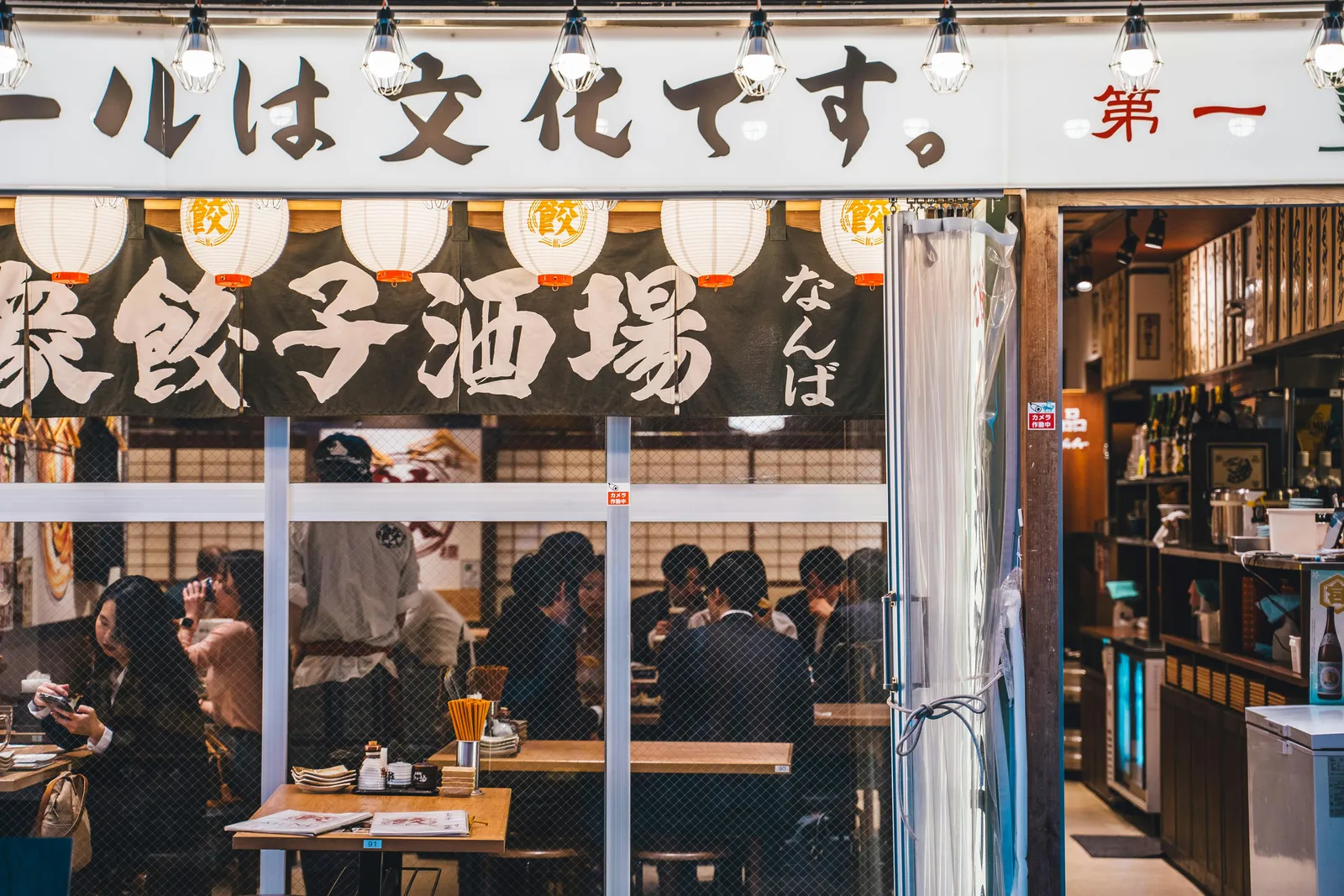
The Michelin Guide's Bib Gourmand award gets less attention than the stars, but for actually eating well in Tokyo, it might matter more. A Bib Gourmand restaurant is Michelin's way of saying it found exceptional food without the price tag of a starred kitchen. Ramen counters, soba shops, neighborhood izakaya, the kind of place a local would recommend rather than a guidebook.
There's a catch that doesn't show up in most write-ups. A meaningful number of Bib Gourmand restaurants don't take reservations at all. The award recognizes the cooking, not the booking system, and plenty of these places have run the same way for decades. First come, first served, no exceptions for anyone.
Why Michelin's "affordable" picks are often the hardest to get into
This isn't a coincidence. The traits that make a restaurant Bib Gourmand-worthy, small space, modest pricing, a chef doing most of the work alone, are the same traits that make reservations impractical. A twelve-seat soba shop charging 1,200 yen a bowl doesn't have the staff or the margin to manage a booking system the way a starred kaiseki restaurant does.
Ramen Matsui, a Bib Gourmand pick near Shinjuku Gyoen known for its kombu and scallop-based broth, is a clean example. It doesn't take reservations, and lines start forming a full hour before opening. That's not an obscure exception. It's a meaningful share of what makes the Bib Gourmand list worth following in the first place.
The pattern repeats across cuisines. Soba shops that grow and grind their own buckwheat, izakaya with eight counter seats and a single chef, yoshoku spots that have been doing the same dish the same way since before the guide existed. None of them are set up to hold a table for you.
What this means if you're planning around the list
If you've built a Tokyo food itinerary around a Bib Gourmand list, the smart move is to sort the restaurants into two categories before you go, ones that take bookings, and ones that don't. For the first group, book ahead the normal way. For the second, the question changes from "can I reserve a table" to "is now a good time to show up."
That second question has a real answer, it just isn't published anywhere. Line length at a Bib Gourmand soba shop at 11:45am on a Tuesday is wildly different from the same shop at 2:30pm. Whether a restaurant has already sold out of its daily allotment by early evening is information the staff know and nobody else does.
Checking before you walk over
This is exactly the situation Rapym's "Can I Go?" feature is built for. Instead of trying to book a table that was never bookable to begin with, you ask a different question. Is it worth heading over right now? Rapym calls the restaurant in natural Japanese, asks about current wait times and whether they're still serving, and reports back before you've made the trip.
For the reservation-friendly half of the Bib Gourmand list, Rapym can also call ahead and book the table directly. Either way, the goal is the same: knowing what you're walking into before you walk into it.
Rapym can book tables or check restaurant availability in Japan on your behalf, by phone, in Japanese. Try it here
Also in this series: The Tokyo Ramen Lines Nobody Warns You About Why Tokyo's best restaurants only take phone calls