Why Japanese Restaurants Don't Have English Menus, and What to Do About It
The language gap at the table is real, but it's more navigable than it looks
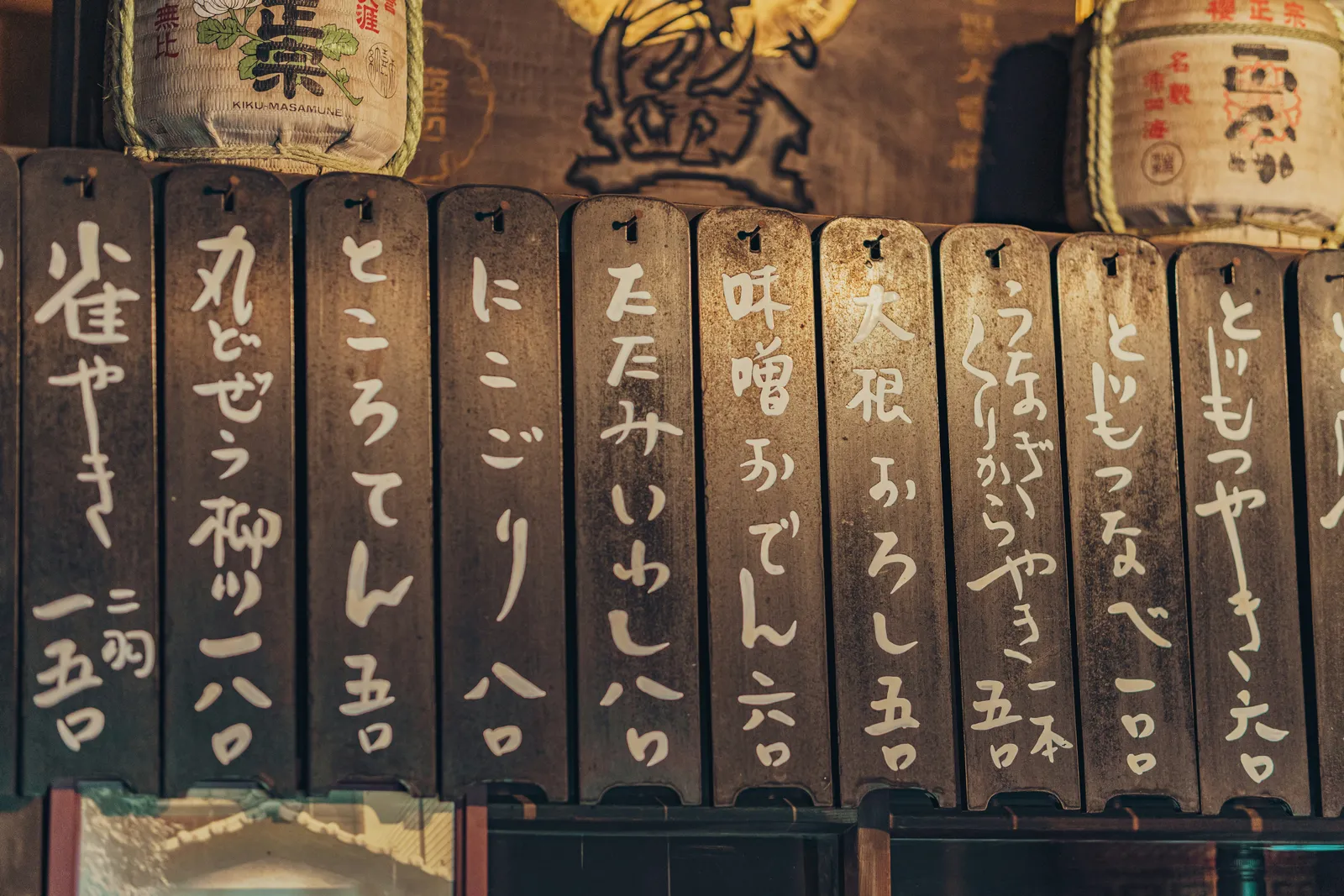
Walk into enough restaurants in Japan and a pattern emerges quickly. The menu is entirely in Japanese. Sometimes there are photos, sometimes not. The staff speak varying amounts of English, from none to surprisingly fluent, with no reliable way to predict which before you sit down. The restaurant isn't being unwelcoming. It's just operating the way it always has, for the customers it has always served.
Understanding why this happens makes the situation easier to navigate, and knowing what actually works, versus what most visitors try first, saves a lot of awkward table-side moments.
Why the menus are in Japanese
Japan's domestic food culture is dense, specific, and deeply local. A yakitori restaurant that has served the same neighborhood for thirty years has a menu written in Japanese because its customers are Japanese, have always been Japanese, and read Japanese without thinking about it. There's no hostility in the decision to not translate. It simply never came up as a need.
This is especially true outside of the major tourist corridors. In Shinjuku or Dotonbori, plenty of restaurants have English menus or at least picture menus because enough English-speaking visitors come through to make it worth the effort. Thirty minutes outside of that radius, in the places where the food is often better and the prices lower, the assumption is Japanese readers only.
What doesn't work as well as people expect
The instinct most visitors reach for is Google Translate's camera function, pointing a phone at the menu and watching the text get replaced in real time. This works adequately for straightforward items, "pork cutlet" or "grilled chicken" translate cleanly enough. It breaks down on the things that matter most, the dish names that are specific to a region, a chef, or a preparation method that doesn't have an English equivalent. Pointing a phone at a dish name written in Japanese script and getting back "special sauce binchotan-grilled local chicken" tells you something but not enough.
The camera translation also misses what the server could tell you in thirty seconds. What's good today, what's seasonal, what the regular customers order. That information doesn't exist in the printed menu.
What actually works
A few things navigate the language gap more reliably.
Pictures help when they exist. Many Japanese restaurants, particularly izakaya and family restaurants, have photo menus or wall posters showing the dishes. Pointing works fine, and no one finds it rude.
Counter seating often solves the problem entirely. Watching the chef work makes it obvious what's being prepared, and ordering by pointing at what someone else is eating is universally understood.
For the restaurants that matter most, the ones with no photos and no English and a menu that requires actual explanation, the real solution is having someone who speaks Japanese do the explaining before you arrive. Knowing in advance what the house specialty is, what the chef recommends that day, and what you'll want to order means you can sit down and engage with the meal rather than spending the first twenty minutes decoding a menu under mild pressure.
That's where Rapym comes in. A call to the restaurant before your visit, in natural Japanese, can establish what the must-order dishes are and what to expect when you arrive. You go in with a plan rather than a phone pointed at a menu.
Rapym can call any restaurant in Japan on your behalf, in Japanese, to make a reservation or find out what to order before you arrive. Try it here
Also in this series: Why Tokyo's best restaurants only take phone calls Every Way to Book a Phone-Only Restaurant in Japan, Honestly Reviewed