Every Way to Book a Phone-Only Restaurant in Japan, Honestly Reviewed
A no-nonsense guide to every option for booking phone-only restaurants in Japan, and what each one actually costs you
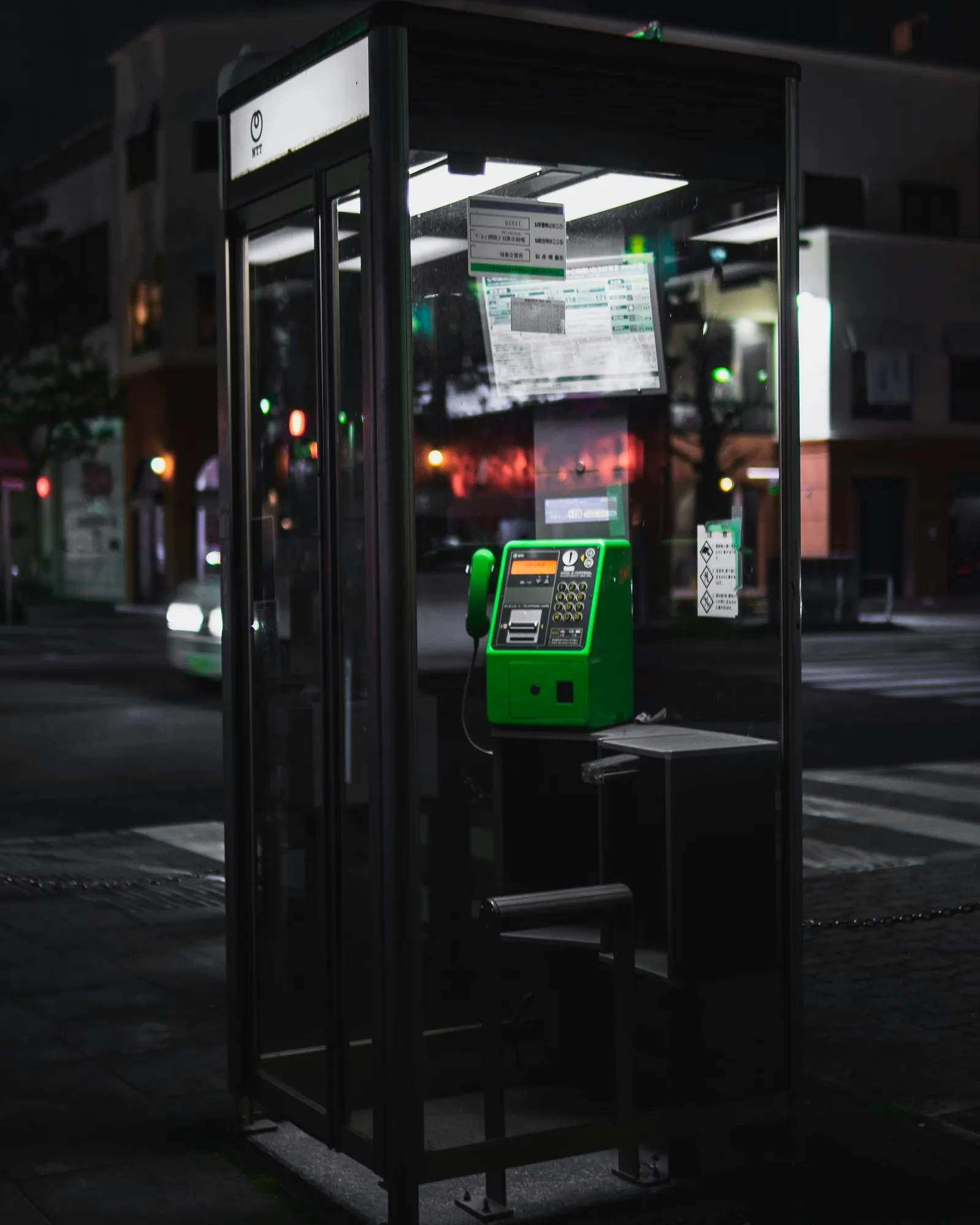
You found the restaurant. It has been on your list for months. The chef is legendary, the counter seats eight people, and every food writer you follow has eaten there. You open Tabelog. You open Google Maps. You open every tab you can find.
No online reservation. Phone only.
This is the moment most Tokyo trips hit a wall. And it happens more than people expect, because the restaurants most worth visiting are often the ones least set up for foreign visitors to book.
There are several ways to handle this. Some work better than others. Here is an honest look at all of them.
| Option | Cost | Response Time | Requirements | Reliability |
|---|---|---|---|---|
| Hotel Concierge | Free | 1–2 weeks ahead | Hotel stay required | High, but limited to hotel's network |
| Freelance / Concierge Service | $50–100 per booking | Hours to days | None | Varies widely |
| AI Reservation Apps | $15–30 per booking | Minutes to hours | App account, credit card | Low (2.32/5 avg rating) |
| Rapym | Beta (free) | Minutes | None | 90%+ success rate |
Hotel Concierge
The classic answer, and still a good one under the right conditions.
A concierge at a decent hotel knows the restaurants, speaks the language, and sometimes has relationships that make the impossible possible. For a genuinely hard-to-book place, this is often the most reliable path.
The problem is access. Hotel concierge service assumes you are staying at a hotel, and a hotel with a concierge worth calling. That used to be most travelers. Now a significant number of people visiting Japan stay in Airbnb apartments, guesthouses, or short-term rentals. No concierge. No option.
Even for hotel guests, the concierge route has limits. It works best for well-known restaurants the concierge already has relationships with. It requires lead time, sometimes weeks. And it puts you in a queue with every other guest asking for the same favor.
If you are staying at a nice hotel and you plan ahead, this works. If you are not, or if you are trying to book something last-minute, it does not.
Reservation Concierge Services and Freelance Booking
The next option is paying someone to make the call for you. This can mean a freelance service on a platform like Fiverr, a dedicated Japan concierge website, or a boutique travel service that handles reservations as part of a broader package.
The appeal is obvious. A real person who speaks Japanese calls the restaurant, handles the conversation, and gets back to you with a confirmation.
The reality is less consistent. Quality varies enormously from one person to the next. Response times can stretch from hours to days, which matters if you are trying to book something with limited availability. Many of the dedicated reservation websites that appear in search results are run by individual freelancers operating under a more polished brand. The service you get from a purpose-built concierge site and the service you get from a Fiverr listing are often the same thing, from the same person, at a different price.
None of this means the category is useless. A skilled, responsive freelancer who knows Japanese restaurant culture can be genuinely valuable. But finding one requires research, and even then you are dependent on another person's schedule and judgment.
AI Reservation Apps
This is where most people searching for a solution end up. Apps like AutoReserve position themselves as reservation platforms: search for a restaurant, submit a request, let the AI handle the call.
The concept is right. The execution, at least based on available data, has significant problems.
We analyzed nearly a thousand reviews across App Store and Google Play, filtering out feedback about the restaurants themselves and focusing only on the service experience. The result: a 2.32 average rating, with 65 percent of reviewers leaving negative feedback. The complaints are not primarily about restaurants being unavailable. They are about trust.
The most common issue is the fee structure. AutoReserve charges a fee of roughly 2,000 to 4,000 yen per confirmed reservation. Users consistently report believing this fee was a deposit paid to the restaurant. When they arrive and the restaurant asks for full payment, the confusion turns into a confrontation. The restaurant has no idea what AutoReserve charged. The customer feels deceived. Neither party is happy.
Beyond the fee confusion, users report difficulty distinguishing between a reservation request and a confirmed reservation. The app accepts the request, the AI attempts a call, and the result can be unclear for hours. Some users arrived at restaurants to find no reservation existed.
There is also the question of how the AI identifies itself on the call. Restaurants increasingly recognize automated calling systems, and some simply hang up. An AI that does not clearly identify itself creates friction on both ends of the call.
The demand this category addresses is real. The execution has not caught up.
Rapym
Rapym was built with direct knowledge of where the existing options fall short.
Rapym identifies itself as an AI at the start of every call. What the restaurant does not notice is anything unusual about the conversation that follows.It works regardless of where you are staying. No hotel relationship required, no lead time of weeks, no waiting on another person's schedule. You submit the request and Rapym makes the call, with a current success rate of over 90 percent on completed calls.
On the trust side, Rapym takes a different approach from what has defined the category so far. The fee structure is transparent and completely separate from anything the restaurant charges. When a reservation is confirmed, you receive a notification. When it fails, you receive a notification with the specific reason: fully booked, reservations closed, restaurant unavailable. No ambiguity about what happened.
Call quality was a significant investment. Getting a restaurant to stay on the line with an AI, complete a full reservation conversation, and hang up satisfied required three months of focused development. The goal was a conversation natural enough that the restaurant is not thinking about the technology, just the reservation.
Pricing is still in beta. The direction is per-call credits, so you pay for attempts rather than a platform subscription that may or may not produce results.
Which One to Use
The honest answer depends on your situation. If you are staying at a good hotel and have time to plan ahead, the concierge costs nothing and the relationship factor can open doors that other options cannot. If you want a human handling a particularly complex reservation, a skilled freelance service is worth considering, though verifying their track record takes its own time.
If you want to handle it yourself, in minutes, without speaking Japanese, that is what Rapym is for.
The phone-only restaurant problem is not going away. If anything, the best restaurants in Japan are becoming harder to reach through online platforms as they opt out of third-party booking systems entirely. Having a reliable way to make the call is worth knowing about before you need it.
Rapym makes restaurant reservations in Japan on your behalf, in Japanese, by phone, for any restaurant. Try it here