The Japanese Restaurant Rules Nobody Puts in a Guidebook
The unwritten etiquette that separates a comfortable meal from an awkward one
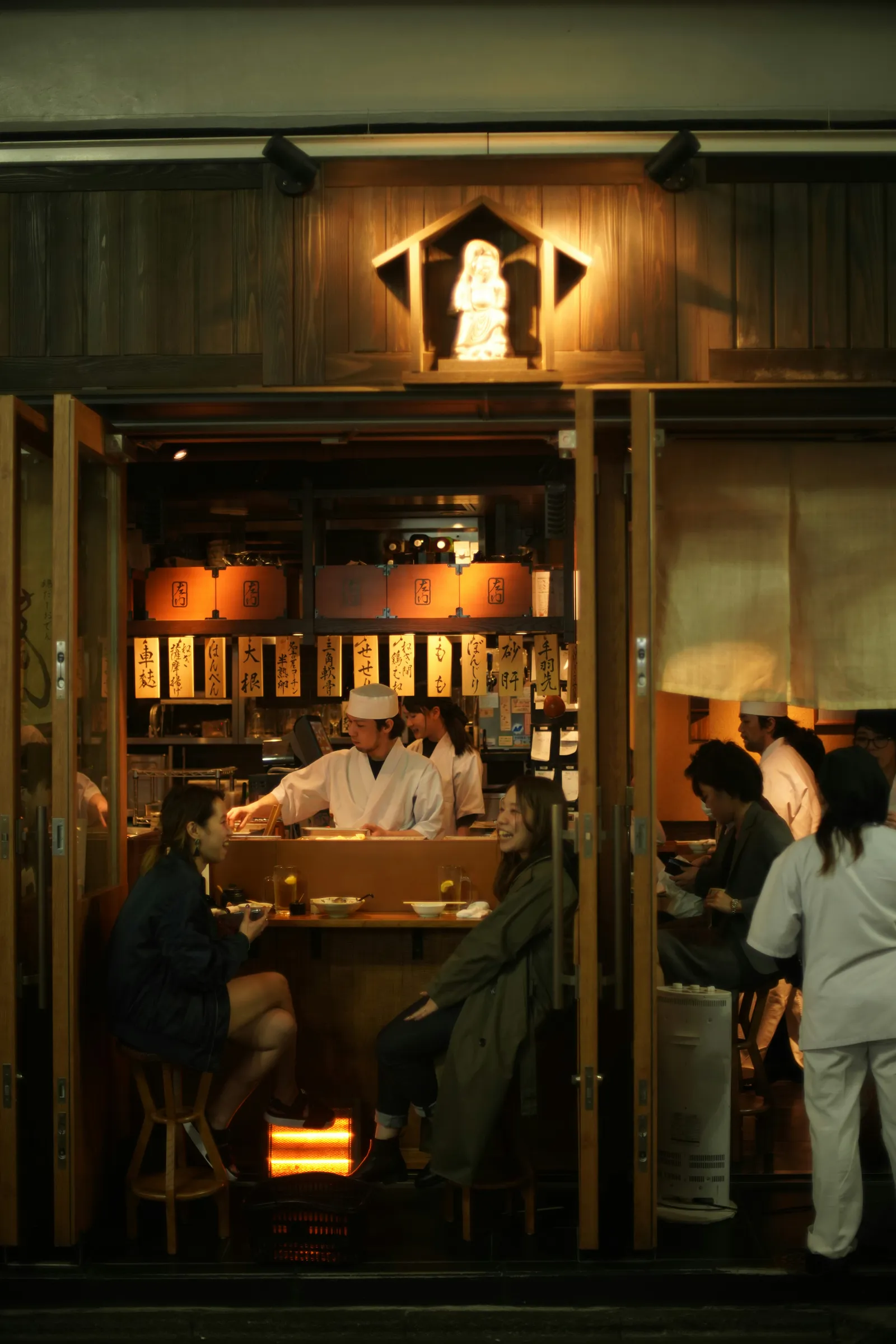
Japan has a reputation for rules, and dining is no exception. But most of what trips up visitors isn't the formal stuff. It's the ambient expectations that everyone around you takes for granted and nobody thinks to explain, because they've never had to.
Here are the ones that come up most often.
The wet towel is not a napkin
Almost every sit-down restaurant in Japan will bring a small rolled or folded towel to your table when you arrive. It's called an oshibori, and it's for your hands. Use it before the meal, fold it back up, and set it aside. Using it to wipe your face, clean the table, or mop up a spill is noticed and quietly considered bad form. A paper version appears at more casual spots; the rolled cloth version at nicer ones.
The water is free and usually self-service
At most casual restaurants in Japan, water is free and left to you to manage. There's often a pitcher on the table or a dispenser nearby. Waiting for someone to refill your glass the way a Western restaurant might won't get you far. Pour your own, and pour for anyone sitting with you before you pour for yourself.
There's often a small charge you didn't order
Sit down at many izakaya or traditional Japanese restaurants and a small dish will appear with your first drinks, something pickled, a few pieces of tofu, a bite of something seasonal. This is called otoshi or tsukidashi, depending on the region, and it comes with a per-person charge, usually between 300 and 600 yen. It's not optional, and it's not a mistake. Think of it as a cover charge that comes with food. Knowing this in advance saves the confusion of finding a line item on the bill for something you didn't ask for.
Shoes come off more than you'd expect
At restaurants with tatami seating, raised floor sections, or traditional private rooms, shoes come off before you step up. The signal is usually obvious. A step up from the regular floor level, a row of slippers, a section of woven mat. Taking your shoes off before being asked is the right move. Stepping up with shoes on is a significant breach of etiquette, not a minor one.
Tipping is not just unnecessary, it's uncomfortable
There's no tipping in Japan. Not at restaurants, not at ryokan, not in taxis. Leaving money on the table reads as forgetfulness rather than generosity, and in some cases staff will run after you to return it. The price on the menu is the price. Service is included in how Japanese hospitality works, not added as a percentage afterward.
Calling for the bill is your job
Waitstaff in Japan don't bring the bill until you ask. This is a feature, not an oversight. The table is yours until you signal otherwise, and hovering over you with a check is considered intrusive. When you're ready, catch someone's eye and say "okaikei" or simply make a small writing gesture in the air. In many casual restaurants there's also a call button on the table.
Eating while walking is frowned upon
This one catches people off guard in a country with such extraordinary street food. But eating while walking, outside of specifically designated festival areas or certain market streets, is generally considered impolite. The convention at food stalls and takoyaki counters is to step aside, eat standing still, and then move on. A small distinction, but one locals notice.
What all of this points toward
None of these rules are designed to make dining difficult. They're the residue of a food culture that treats the table as a specific kind of space, with its own logic and its own rhythms. Most visitors adapt quickly once they know what to look for.
The harder part is knowing before you go, especially at restaurants where the booking process itself requires speaking Japanese. Rapym can call ahead to make a reservation and, if you want, ask about anything specific to that restaurant's format, private room etiquette, dress expectations, or whether the menu is prix fixe. Going in informed makes the meal better.
Rapym can call any restaurant in Japan on your behalf, in Japanese, to book a table or ask about what to expect when you arrive. Try it here
Also in this series: Why Japanese Restaurants Don't Have English Menus, and What to Do About It Why Tokyo's best restaurants only take phone calls