Eating in Japan in Autumn: The Best Season for Food, and How to Plan Around It
Autumn brings Japan's most celebrated ingredients and its most competitive restaurant bookings outside of cherry blossom season
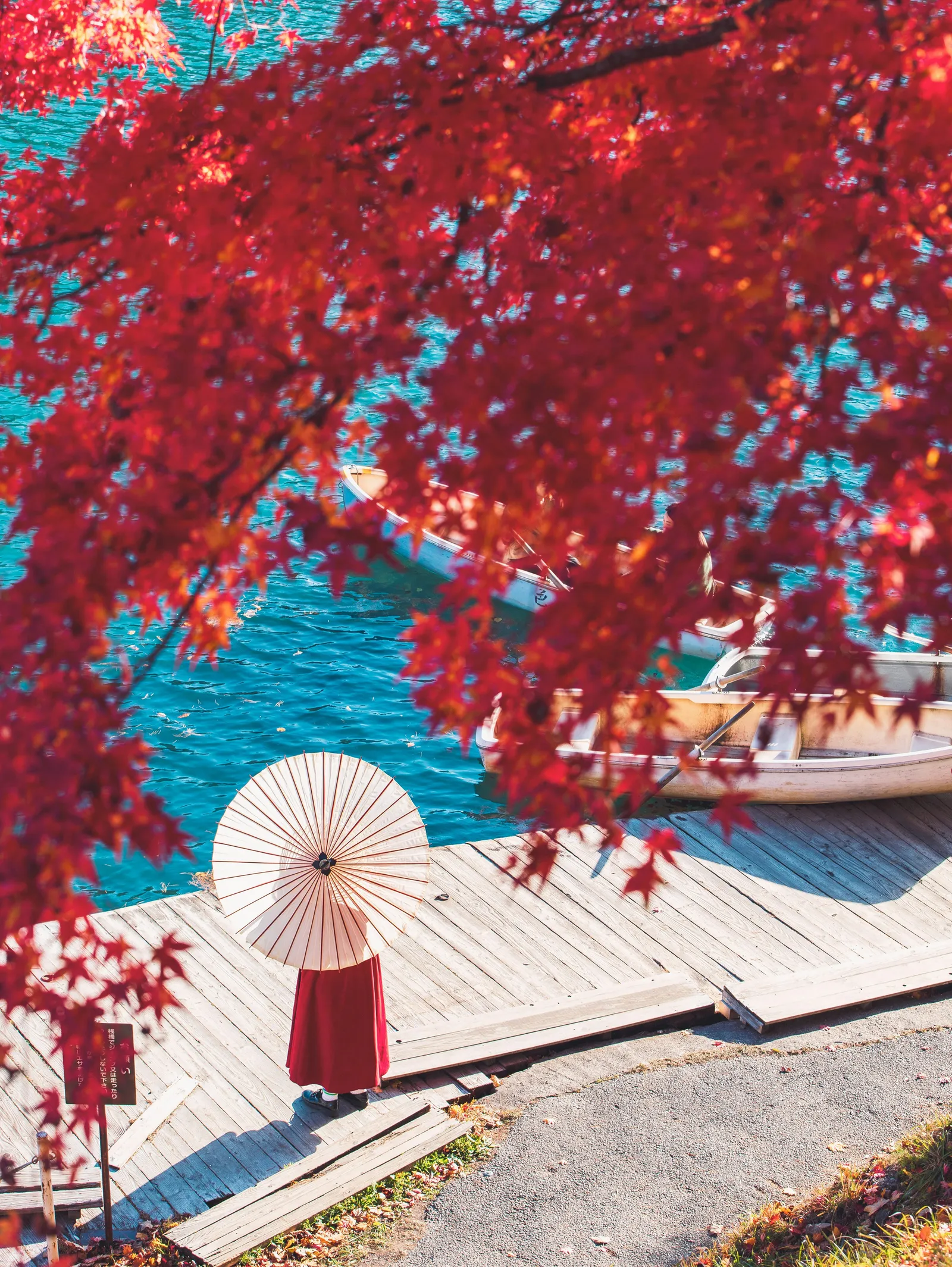
Autumn in Japan, roughly September through November, is widely considered the best season to visit for food. The oppressive summer heat breaks, the humidity drops, and the ingredients that define Japanese autumn cooking come into season more or less simultaneously. Matsutake mushrooms, Pacific saury, Kyoto vegetables, chestnuts, persimmons, new rice. The kitchens that care most about seasonality change their menus almost weekly in response to what's arriving from farms and from the sea.
It's also the season when restaurant bookings get competitive again, for different reasons than spring.
Why autumn booking is different from spring
Spring's demand spike is driven by cherry blossoms, a specific, visible, photographable phenomenon that pulls enormous numbers of visitors to specific locations during a narrow window. Autumn's demand is softer and more spread out, which makes it feel more manageable until it isn't.
The foliage season draws significant domestic tourism, particularly to Kyoto, Nikko, and areas of Tokyo like Shinjuku Gyoen. Japanese families and couples traveling for momiji, autumn leaf viewing, fill restaurants in these areas in much the same way cherry blossom viewers do in spring, but the peak period is less predictable because leaf color timing varies more with temperature than blossom timing does.
The more significant factor for serious food travelers is that autumn is when Japan's best ingredients are at their peak, and the restaurants that use them know it. A kaiseki restaurant in Kyoto that has access to first-of-season matsutake will mention it to regulars. Those regulars will book. The window for a spontaneous reservation narrows.
What to eat in autumn
Sanma, Pacific saury, is the fish most associated with Japanese autumn. It's inexpensive, oily in the best way, and typically grilled whole over charcoal and served with grated daikon and a squeeze of sudachi. It shows up at izakaya, at casual fish restaurants, and at more formal places that treat it as a seasonal event. When it's good, it's very good, and it's only available for a few months.
Matsutake is the prestigious end of the autumn ingredient spectrum. Japan's most expensive domestic mushroom, prized for its distinct pine aroma, appears in rice dishes, soups, and as a standalone grilled course at kaiseki restaurants. The price reflects the scarcity, which has increased significantly as domestic harvests have declined. Encountering it on a menu is worth noting.
New rice, shinmai, arrives in autumn and is treated with real reverence in Japanese food culture. The first harvest of the year produces rice with higher moisture content and a fresher flavor than stored rice. Restaurants that care about rice will mention when they've switched to shinmai, and the difference is noticeable if you're paying attention.
How to plan around autumn
For casual dining, autumn is the easiest season. The weather is comfortable for walking between restaurants, the outdoor seating that some places extend into the season is genuinely pleasant, and the ingredient quality across the board is at its annual peak.
For the restaurants that require advance booking, autumn calls for the same lead time as spring for any dates that coincide with foliage peaks in popular viewing areas, and two to three weeks ahead for dates outside those windows. Kyoto in mid-November is the hardest case. Everywhere else is more forgiving.
The phone call is the same as any other season. Japanese, advance notice, and patience if the first date isn't available.
Rapym makes restaurant reservations in Japan on your behalf, in Japanese, by phone. Try it here
Also in this series: Eating in Japan in Spring: What Changes and What to Know Before You Go Eating in Japan in Summer: The Heat, the Festivals, and What to Order How Far in Advance Do You Actually Need to Book a Restaurant in Japan