Eating in Japan in Winter: The Quietest Season and the Best Hot Pot
Winter is Japan's least crowded travel window and its most comforting food season
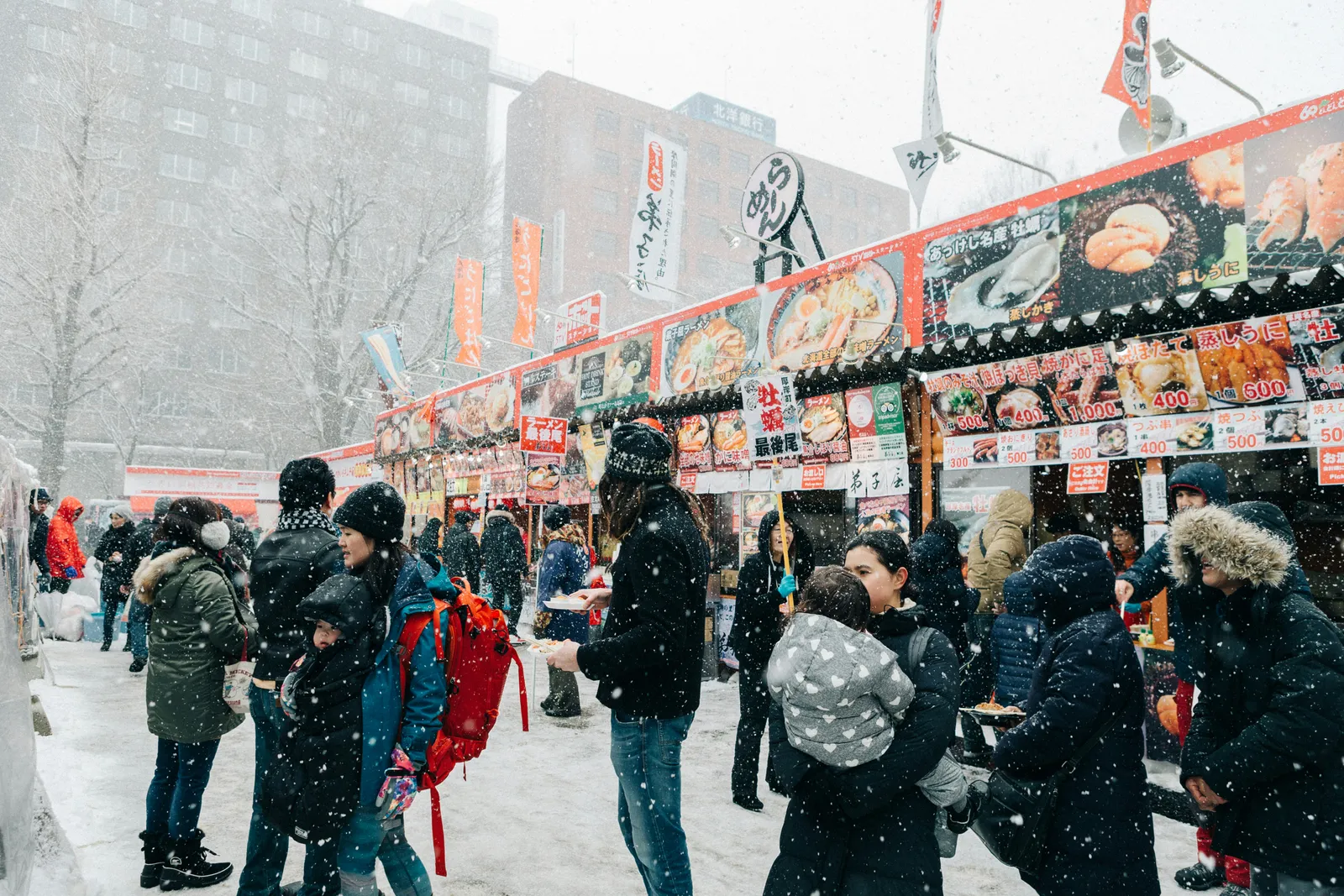
Winter in Japan, roughly December through February, is the season most visitors overlook. The crowds thin after the December holiday period, prices drop at many hotels, and the restaurants that were impossible to book in spring or autumn suddenly have availability. The weather is cold, sometimes very cold in northern cities and the Japan Sea coast, but Tokyo, Osaka, and Fukuoka stay mild enough for comfortable daily movement.
The food in winter is some of the best Japan offers, built around warmth, richness, and the kind of cooking that makes more sense in the cold than at any other time of year.
What the season does to restaurant availability
January and February are the easiest months to get a reservation at the restaurants that are difficult the rest of the year. The post-New Year lull is real. Japanese domestic travel slows significantly after the holiday period ends in early January, foreign visitor numbers are at their annual low, and the restaurants that were fully booked months out in autumn often have tables available with a week or two of notice.
December is the exception. The year-end bonenkai season, when Japanese companies hold farewell-to-the-year parties at restaurants across the country, fills private rooms and larger tables at izakaya and traditional restaurants from late November through late December. If you're traveling in December, booking ahead matters as much as it does in spring.
New Year itself, January first through third or fourth, sees many restaurants close entirely. Convenience stores, chains, and hotel restaurants stay open, but a meaningful number of independent restaurants take the first few days of the year off. Worth checking before planning a meal on January first.
What to eat in winter
Nabe, hot pot, is the defining winter food format in Japan. The variations are substantial. Chankonabe, the protein-dense stew associated with sumo wrestlers. Yudofu, the austere Kyoto preparation of silken tofu simmered in kombu broth. Oden, a long-simmered assortment of daikon, tofu, fish cakes, and eggs in a clear dashi. Motsu nabe, the Fukuoka specialty of offal and cabbage simmered in soy or miso. Each has its own regional associations and its own restaurants built around it.
Fugu, blowfish, is available year-round but is considered at its best in winter when the fish have accumulated fat before the cold water season. The preparation requires a license in Japan because of the toxicity of certain organs, which means fugu restaurants are a specific and regulated category. The experience of eating it, particularly the thin-sliced sashimi, is worth seeking out if you're traveling in winter.
Sake also improves in winter context. The season's first pressed sake, shiboritate, arrives in late autumn and is typically consumed young and fresh rather than aged. Many restaurants and sake bars change their lists to reflect what's newly available, and the combination of cold air outside and a warm room inside with a glass of fresh sake is one of the more specifically Japanese pleasures available to a visitor.
How to plan around winter
For January and February travel, the planning calculus is simpler than any other season. Book the restaurants that matter a week or two ahead, check that the specific places you want are open on the dates you're visiting, and otherwise expect more availability than you'd find at any other time of year.
For December travel, treat the booking timeline like spring and plan well ahead, particularly for the period between late November and December 28th when bonenkai bookings fill restaurants quickly.
The phone call process is the same in winter as any other season. The difference is that the window to make that call and actually get the date you want is wider in January and February than it is at any other point in the year.
Rapym makes restaurant reservations in Japan on your behalf, in Japanese, by phone. Try it here
Also in this series: Eating in Japan in Spring: What Changes and What to Know Before You Go Eating in Japan in Summer: The Heat, the Festivals, and What to Order Eating in Japan in Autumn: The Best Season for Food, and How to Plan Around It How Far in Advance Do You Actually Need to Book a Restaurant in Japan