Why Lunch Is the Secret to Eating at Tokyo's Best Restaurants
How to get a table at Tokyo's most sought-after restaurants without booking months in advance
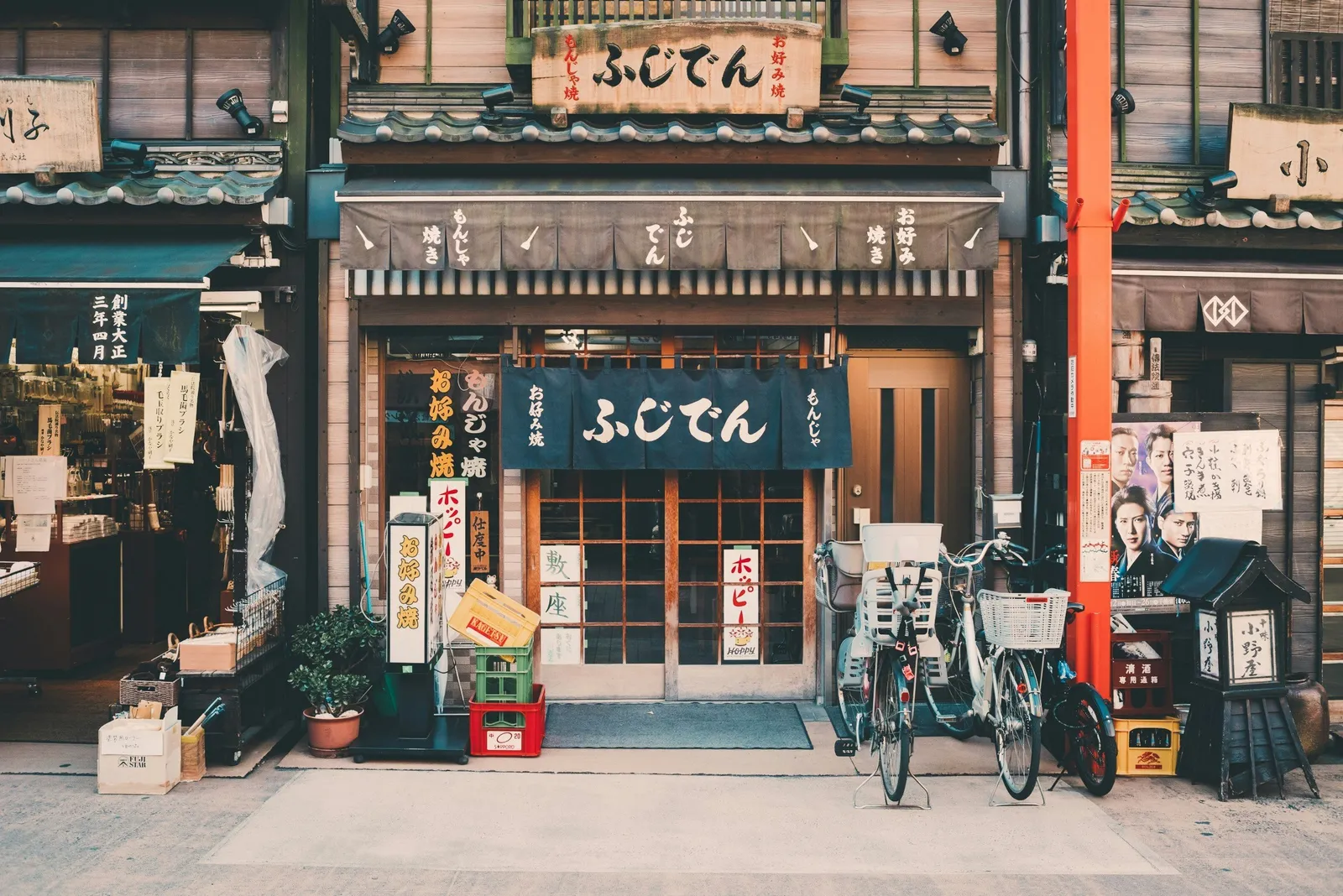
Everyone who researches Tokyo food comes to the same conclusion: the best restaurants are impossible to get into.
The omakase counter that's been on every food writer's list for three years. The kaiseki restaurant in Minami Aoyama that fills up the same morning reservations open. The yakitori spot in Meguro where the waitlist stretches two months out. You read the articles, you open Tabelog, and every date you check is blocked out.
What most people don't realize is that the dinner reservations are sold out. The lunch reservations often aren't.
The Same Restaurant. A Different Door.
Tokyo's top restaurants operate dinner and lunch as two separate worlds.
Dinner is the main event: long courses, full seatings, guests who planned months ahead. Lunch at the same restaurant is often a condensed version of the same experience. The same chef, the same kitchen, many of the same dishes, at a fraction of the price. A kaiseki dinner that runs ¥30,000 per person might have a lunch course at ¥8,000. A sushi counter where dinner omakase costs ¥50,000 sometimes offers a lunch set under ¥15,000.
The food comes from the same hands. The reservation is dramatically easier to get.
This isn't a secret the restaurants advertise. It's just how Tokyo dining works, and most visitors never think to look.
Why Lunch Seats Stay Open
A few things drive this gap.
Tokyo's top restaurants built their reputations on dinner. That's what gets reviewed, what gets written about, what people fly in for. Lunch exists partly as a business decision, filling the kitchen during off-hours, and partly as a way for the restaurant to serve a broader range of guests without compromising the dinner experience.
The result is that lunch seats move slower. Locals who know about them book them, but the international demand that floods dinner reservations hasn't caught up. Not yet.
There's also a practical element: many travelers are still jet-lagged, still figuring out their bearings, treating lunch as a convenience rather than a destination. The people who treat lunch as seriously as dinner are the ones who end up eating better.
How Lunch Reservations Actually Work
The mechanics vary by restaurant, but a few patterns hold.
Many high-end restaurants open lunch reservations on the same schedule as dinner, through Tabelog or their own booking system. Check availability for lunch on the same dates you've been striking out for dinner. You'll find the calendar looks different.
Some restaurants handle lunch reservations separately from dinner, with different booking windows and sometimes different contact methods. A restaurant that takes dinner reservations through Tabelog might require a phone call for lunch. This is where the language barrier tends to catch people off guard. For a full comparison of every option for making that call, from hotel concierges to AI services, see our complete guide.
And some of Tokyo's best lunch spots don't take online reservations at all. They have a phone number. That's it.
For those, Rapym calls the restaurant directly in Japanese, handles the full conversation, and confirms the reservation in your name. The same way it works for dinner, except the table is actually available.
What to Look For
Not every restaurant offers a meaningful lunch service, and it's worth knowing the difference before you book.
Start with the chef. At smaller counter restaurants this is usually a non-issue, since there's only one kitchen and one team. At larger establishments it's worth checking, because some high-end restaurants run lunch with junior staff while the head chef focuses on dinner prep. The meal will tell you immediately which situation you're in.
Then look at the menu. A kaiseki restaurant offering a bento box at lunch is not the same experience as a condensed kaiseki course. What you want is a lunch offering that feels like it belongs to the same restaurant, not a separate operation designed to fill seats between the seatings that actually matter to them.
And consider whether the price difference is meaningful. If lunch is only slightly cheaper than dinner, the value of the workaround is limited. The restaurants worth targeting are the ones where lunch opens up an experience that would otherwise require months of planning and a much bigger budget.
A Practical Note on Timing
Lunch reservations at top restaurants still fill up. The window is wider than dinner, but it closes.
For popular spots, booking one to two weeks ahead is usually enough. For the most sought-after restaurants, two to four weeks. This is dramatically more forgiving than the two-to-three month timeline for dinner at the same places.
Lunch also tends to run on a tighter schedule. Many Tokyo restaurants seat lunch guests at fixed times, 11:30 or 12:00, and the service moves efficiently. Plan for a two-hour window and you'll be fine. Plan to linger the way you might at dinner and you may find the restaurant gently moving you along.
One more thing: lunch is often the better meal for first-time visitors to a high-end Japanese restaurant. The experience is condensed, the pacing is clear, and you leave with a sense of what the restaurant is about without the pressure of a multi-hour dinner commitment.
The Easiest Upgrade in Tokyo
Tokyo rewards people who pay attention. The visitors who eat the best meals aren't always the ones with the most connections or the most advance planning. They're the ones who know where to look.
Lunch is where most people aren't looking. That's exactly why it works.
Rapym makes restaurant reservations in Japan on your behalf, in Japanese, by phone, for any restaurant. Try it here